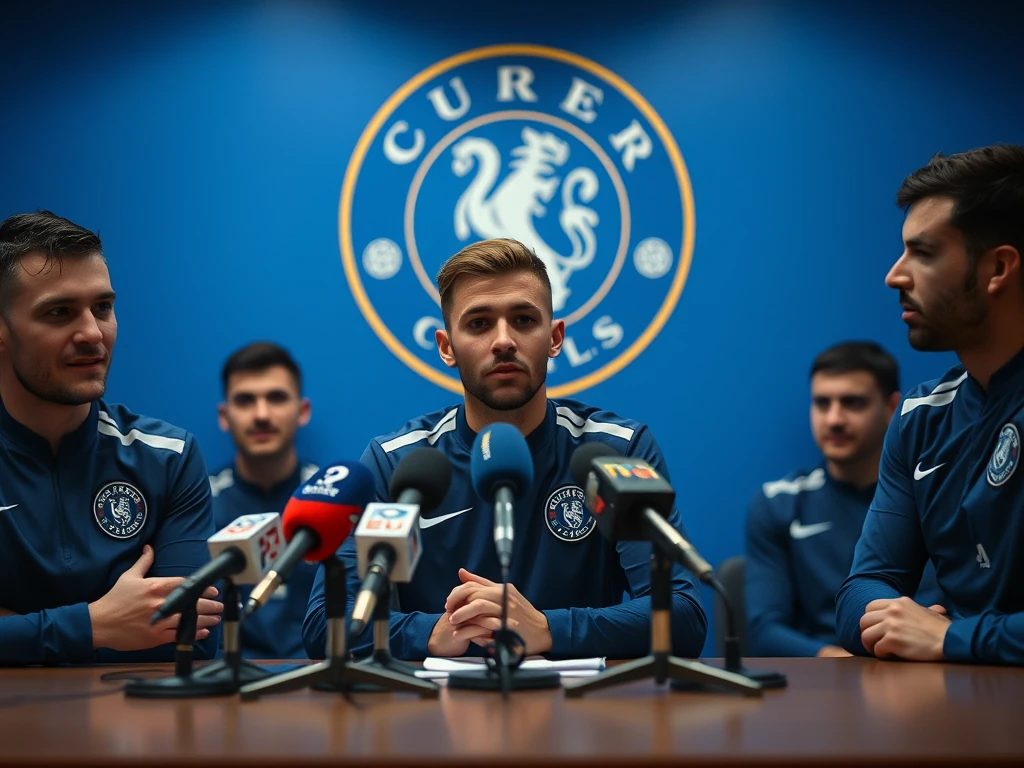

Tactical Tweaks for Dundee FC: Finding the Right Balance
Dundee FC, affectionately known as The Dark Blues, has had a mixed bag of performances lately, oscillating between moments of brilliance and frustrating lapses. As the team strives to stays in the league, a careful analysis of recent form reveals potential tactical adjustments that could elevate their performance and enhance their chances of success.
Assessing the Current Formation
Currently, Dundee has been employing a 4-2-3-1 formation, which has its strengths, particularly for midfield control and attacking options. However, the recent matches have exposed vulnerabilities, especially in transition phases where opponents have exploited gaps left in the defensive line. The reliance on two holding midfielders has sometimes stifled the attacking creativity, leading to a lack of dynamism in the final third.
To address this, a shift to a more fluid 4-3-3 formation could provide the necessary balance between defense and attack. By deploying three central midfielders, Dundee can enhance their ball retention and create better link-up play between the midfield and forwards. This shift not only allows for more attacking options but also provides additional cover for the defense when the team loses possession.
Revamping the Midfield Dynamics
One suggested tweak is to encourage the midfielders to adopt more varied roles. While the two deeper midfielders are key for breaking up opposition play, one of them could take on a more progressive role, acting as a box-to-box midfielder. This would allow Dundee to maintain defensive solidity while also injecting creativity into their attacking play. Players like F. Roberts could be use in this role, given his ability to transition from defense to attack seamlessly.
Exploiting the Wings
An area where Dundee has shown potential is on the flanks, but this potential is frequently underutilized. With pacey wingers capable of stretching the opposition defense, it’s key to encourage wide play and exploit one-on-one situations. By instructing wingers to hug the touchline and make overlapping runs with the full-backs, Dundee can create more space in central areas, allowing for better goal-scoring opportunities. This tactical adjustment could also draw defenders out of position, creating gaps for the strikers to exploit.
Adjusting Defensive Structure
Defensively, Dundee has been caught out on several occasions due to a lack of compactness. Implementing a zonal marking system, particularly during set pieces, could mitigate some of the risks associated with individual marking that has sometimes led to lapses in concentration. Having defenders focused on specific areas rather than specific players could improve overall defensive organization and reduce the likelihood of conceding from dead-ball situations.
Conclusion: The Path Forward
As Dundee FC prepares for the next round of fixtures, these tactical tweaks can provide a pathway to improved results. Transitioning to a 4-3-3 formation, enhancing midfield roles, maximizing width, and refining defensive organization could transform the team’s fortunes. With the right adjustments, The Dark Blues can find the right balance between attacking flair and defensive resilience, setting them on the path toward a successful campaign.